
Release without the release window
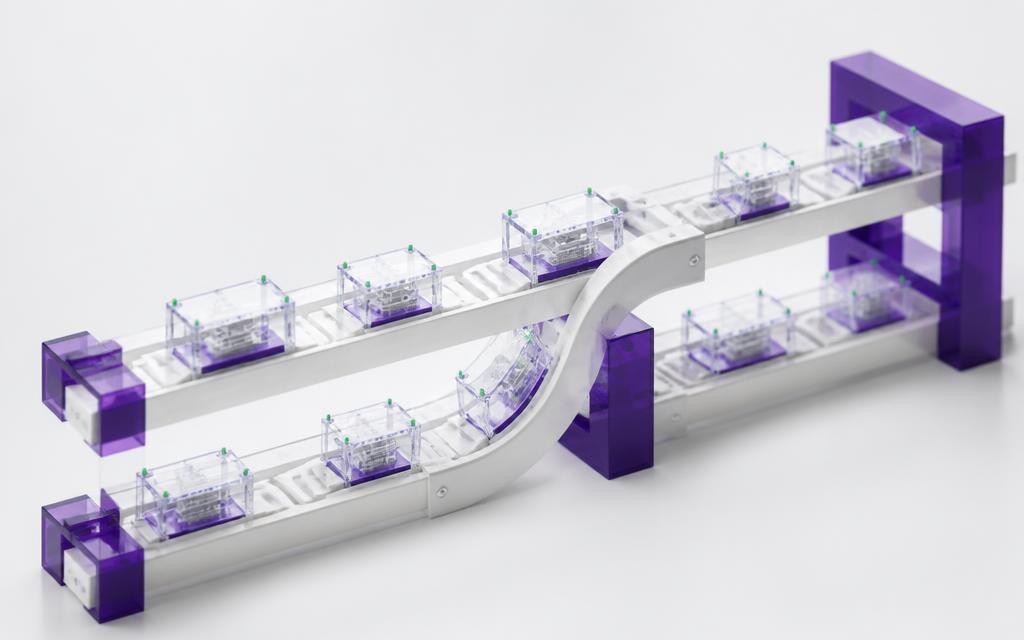
Blue/Green and Canary pipelines move changes into production without interrupting the service already running.
Want to talk to our engineers? Schedule a call
Want to talk to our engineers? Schedule a call
Tell us your operation and we’ll send the two numbers that matter for your lane.
Want to talk to our engineers? Schedule a call
Services · DevOps & Cloud Engineering
We engineer the cloud beneath your software to deploy without disruption, recover without panic, scale without guesswork and stay secure without slowing the product team down.
Production standard
Every environment should answer four questions clearly: how it changes, how it fails, who can reach it, and what it costs.
A product cannot move quickly on fragile infrastructure. Manual deployments, shared accounts, hidden dependencies and surprise cloud bills turn every release into a negotiation with risk.
UTL treats delivery, architecture, security, observability and cost as one operating system for the product—engineered together and maintained by people who understand the full stack.
Core capabilities
A minimal view of the work that keeps software available, secure and economically sustainable.
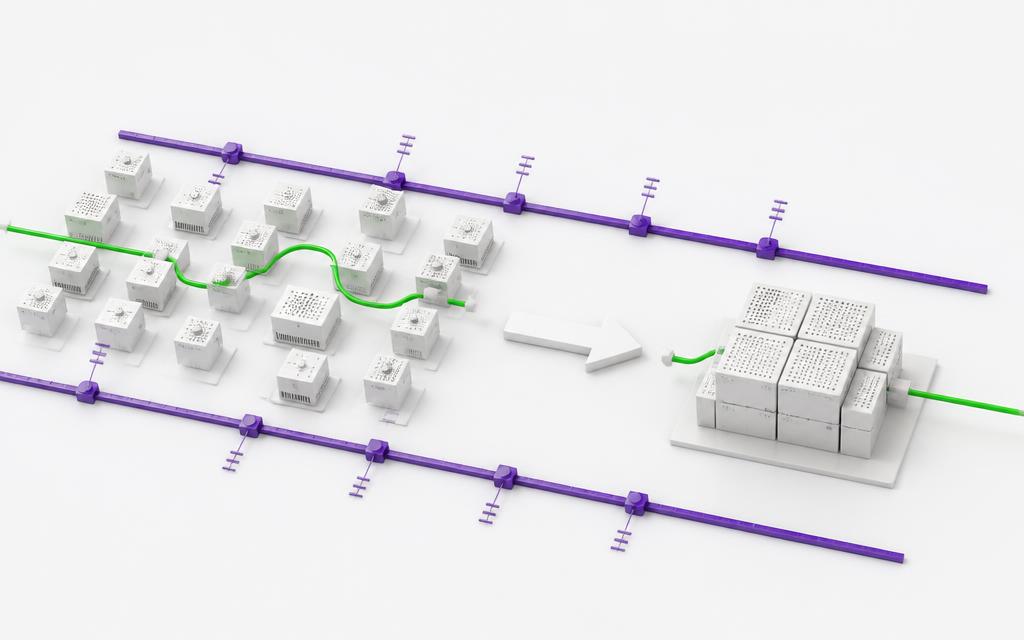
Blue/Green and Canary pipelines move changes into production without interrupting the service already running.
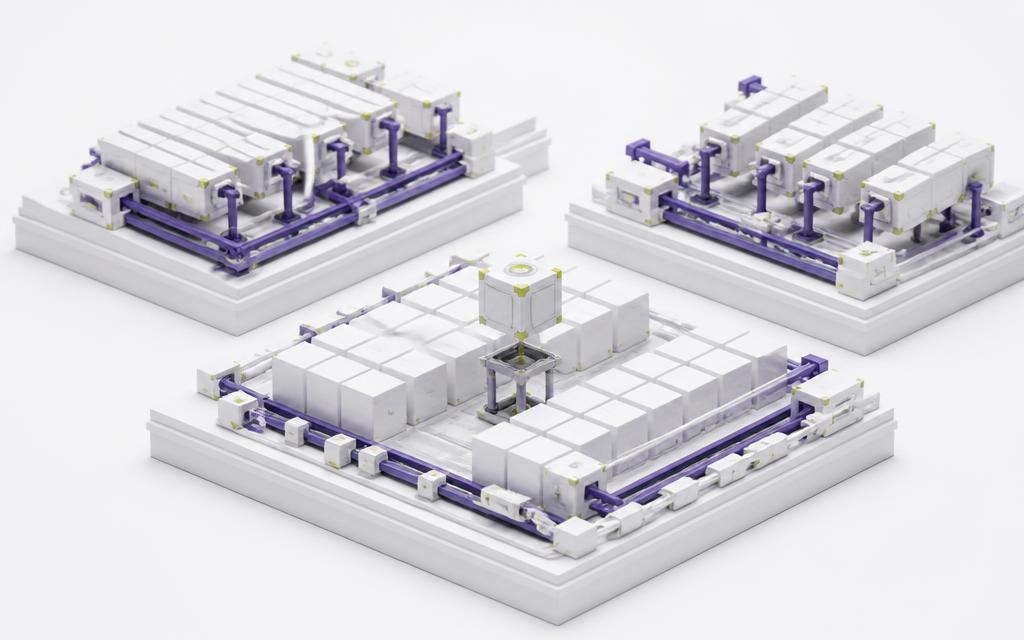
Version-controlled Terraform replaces fragile console work with repeatable, reviewable environments across every stage.
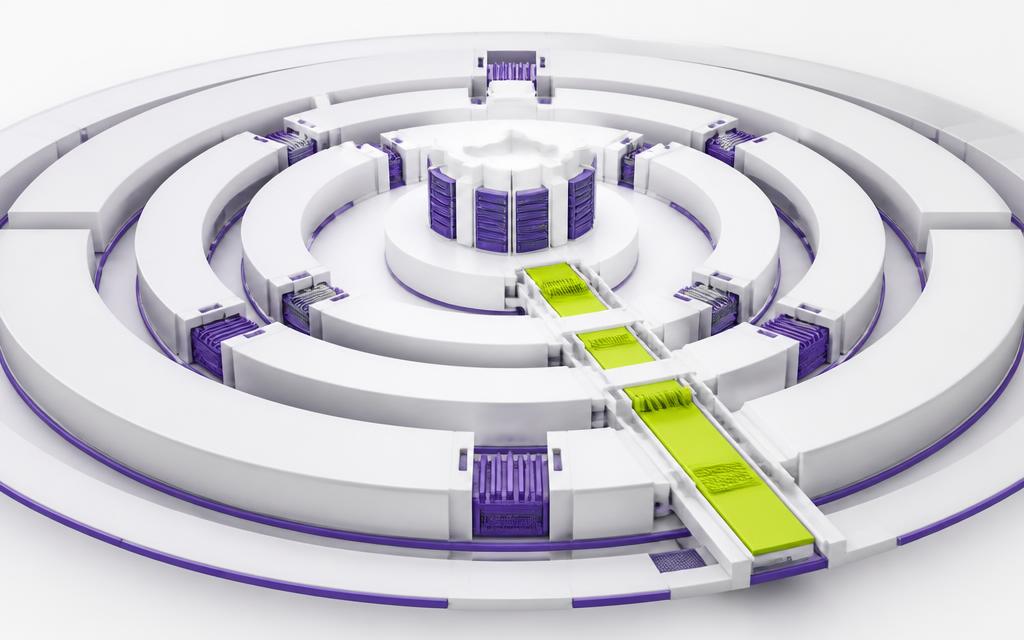
Least-privilege access, encrypted paths and continuous telemetry are designed into the environment—not added before an audit.
Usage, commitments and idle resources are reviewed continuously so infrastructure spend follows the product—not the other way around.
Migration & modernization
Phased migration keeps customers working while architecture, containers and data move underneath them.
Map
Dependencies, traffic, data paths, security boundaries and failure risks are documented before anything moves.
Run in parallel
Containerized services, replicated data and automated infrastructure are proven while the current system stays live.
Shift
Traffic transfers in controlled stages with telemetry, acceptance gates and a tested route back at every step.
Typical modernization work includes legacy-to-AWS refactoring, Docker containerization, ECS or EKS orchestration, database replication, traffic shifting and removal of single-server failure points.
Where to begin
The first engagement can be a focused audit or the beginning of an embedded cloud engineering relationship.
We will review the environment, identify the operational risk and map a practical route to a safer production system.